Want to rent a photobooth? Learn how hire works, what it costs, which booth suits your event and how to compare quotes before you book.
A photo booth can turn an ordinary party into the one people still mention months later. It gives guests something to do, produces a keepsake they can hold and creates the kind of laughing, unposed pictures that no one can stage. But if you have never hired one, the process can feel unclear. How much does it cost? What is actually included? Is it better to rent or buy? And how do you avoid the quote that looks cheap until the extras arrive?
This guide answers those questions in plain terms. Whether you plan to rent a photobooth for a wedding, a birthday or a company party, you will find what renting involves, how to compare suppliers fairly, how to choose the right style for your space and how to prepare so the evening runs smoothly.
Why renting makes sense for most events
Photo booths look like simple machines, but a good booth experience depends on a lot more than the equipment. It needs a reliable camera, a fast printer, consistent lighting, a design for the prints, props, someone to look after guests and a team to deliver, install and collect everything. When you rent, all of that is handled for you.
There are some clear reasons most hosts choose to hire rather than buy:
- Cost. A booth you buy sits unused between events, while hiring means you pay only for the hours you need.
- Expertise. An experienced team sets up, tests and manages the booth so you do not have to learn the equipment on the day.
- Variety. You can choose a different style for each event, from a vintage wooden booth to an interactive mirror.
- Support. If something goes wrong, a supplier has a plan and a contact on the day.
- No storage or maintenance. Booths take up space and need servicing, printing supplies and repairs.
Buying can make sense for a business that runs events every week, but for a wedding, a milestone birthday or a one-off launch, renting is almost always the simpler and more cost-effective choice.
What does it mean to rent a photobooth?
Renting means paying a supplier to bring a complete photo booth experience to your event for an agreed number of hours. A typical hire covers delivery, set-up, the booth itself, an attendant, printing, props and collection afterwards.
At ClickPlick, for example, a full-service package includes prints, a free guest book with glue sticks and pens, GIFs and filters, instant sharing by AirDrop or email, a professional-grade camera, a backdrop, a USB of all the photos and a tall banner that shows guests where the booth is. An attendant stays with the booth to help guests. The LCD Slimline Pod is the exception, because it is a self-service booth without a backdrop, USB or attendant. Packages differ between suppliers, so always check line by line.
The main types of photo booth to rent
Choosing the right style is the most important decision, because it shapes how the booth looks in your room and how guests use it.
Mirror booths
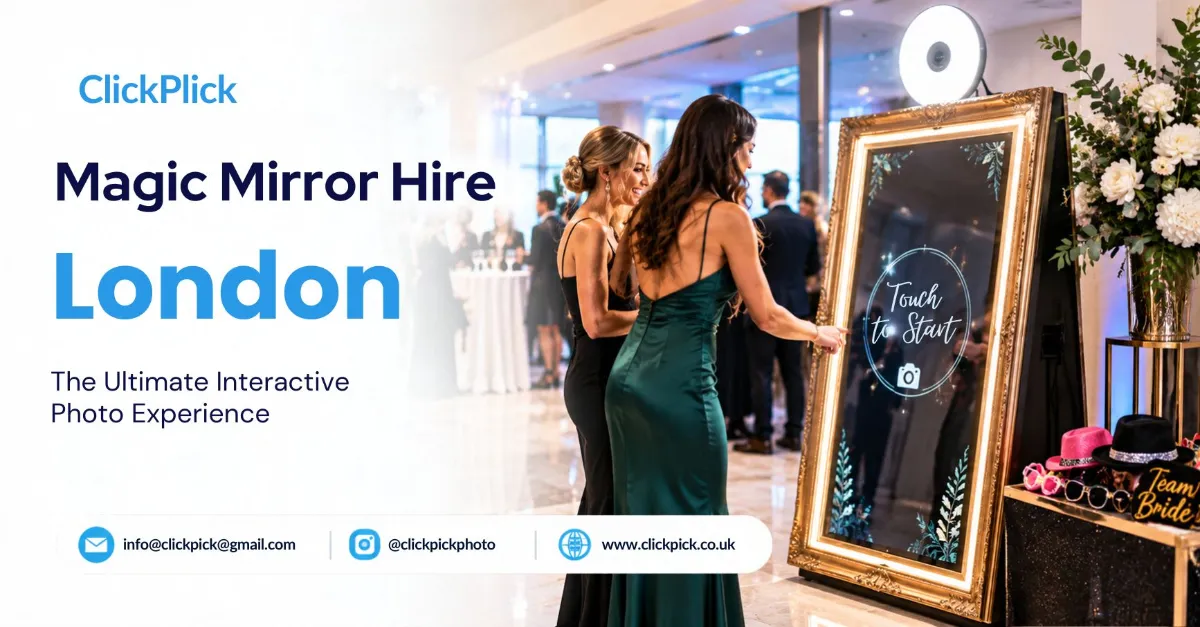
A mirror booth uses a full-length touch-sensitive screen behind glass, with animations, voice prompts and a hidden camera. Guests tap the screen to start and follow the instructions to pose. The Magic Mirror is a good example. It can capture guests' signatures on the screen and record short video messages as well as taking photos, and it suits formal weddings, galas and brand launches. It needs more floor space and step-free access to the venue.
Vintage and wooden booths
These bring character. A handcrafted wooden booth or a retro-style box with classic strips suits barn weddings, country houses, heritage venues and themed parties. They have a small footprint, so they work well where space is limited.
Compact pods
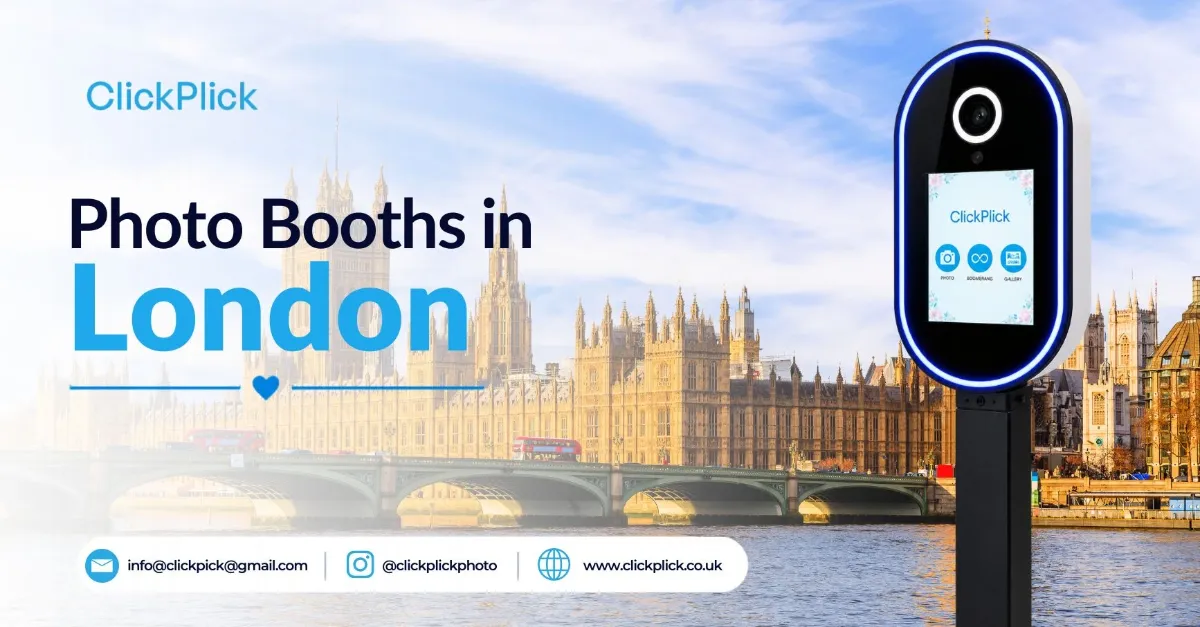
A pod with an LCD screen is sleek, modern and quick to use. It suits busy rooms, tight spaces and high-traffic events where guests drift in and out. The screen can show your own image or video, which makes it popular for product launches and branded events.
Enclosed and inflatable booths
An enclosed booth has a privacy curtain and colour-changing LED lighting, and it gives guests a private space to be playful. It needs more floor space and ceiling height, and it suits parties, school and university events, festivals and garden events.
AI photo booths
An AI photo booth turns a guest's photo into digital art using themes such as superheroes, historical eras, travel destinations or professional headshots. It is popular at brand activations, launches and parties where people want something unusual to share online. It is mainly digital, so check what output you will receive.
What affects the price of photo booth hire
Photo booth prices vary because the packages vary. The factors that matter most are:
- The type of booth. Mirror, AI and fully branded corporate booths generally cost more than a compact pod.
- Hire length. Most events book a few hours, and extra time costs more. Some suppliers run offers such as a free extra hour with a longer booking.
- Prints. prints, capped prints and guest book copies all change the total.
- Personalisation. Custom print designs, branded backdrops and screens can be included or charged separately.
- Extras. Items such as an audio guest book, a guest QR code for shared uploads, keyrings and fridge magnets are usually add-ons.
- Travel. Distance from the supplier's base can add a cost, which is why you should always ask for a total.
- Date. Saturdays in peak season and December are the most in demand.
On ClickPlick's site, the LCD Slimline Pod is listed from £299 for three hours, and the booking form asks you to confirm a budget above £299, so that is a useful guide to the starting point. Other booths are quoted individually based on your event, and you will receive a personalised quote within 24 hours of submitting the booking form. Published prices elsewhere vary widely, so compare like with like instead of focusing on the lowest headline number.
How to compare quotes fairly
Two quotes can look very different and still cover the same service, or look similar and hide important gaps. Use the same checklist for every supplier:
Question
Why it matters
How many hours are included, and does set-up count?
Some suppliers count set-up inside your hire time
Is an attendant included for the whole booking?
A booth with no one looking after it often sits unused
Is a guest book included?
It is a popular keepsake at weddings and parties
Are props and a backdrop included?
Quality and range vary
What digital extras are included?
Galleries, GIFs, AirDrop and email sharing
What are the travel and overtime charges?
These are often where quotes differ
What insurance does the supplier hold?
Many venues ask to see public liability documents
If one quote is much lower than the others, ask exactly what has been left out. The cheapest quote is not always the cheapest total.
Choosing the right booth for your event
The best way to decide is to start with your event and work backwards.
Weddings. A booth fills the gap between the meal and the dancing and mixes different groups of guests. Vintage or wooden booths suit rustic venues, mirror booths suit formal rooms and compact pods suit smaller spaces. A guest book lets friends leave messages beside their photos.
Birthdays and anniversaries. Choose the style that matches the theme. A retro booth suits nostalgic parties, while an enclosed booth with LED lighting suits a lively party. Personalised prints with names and dates turn the photos into keepsakes.
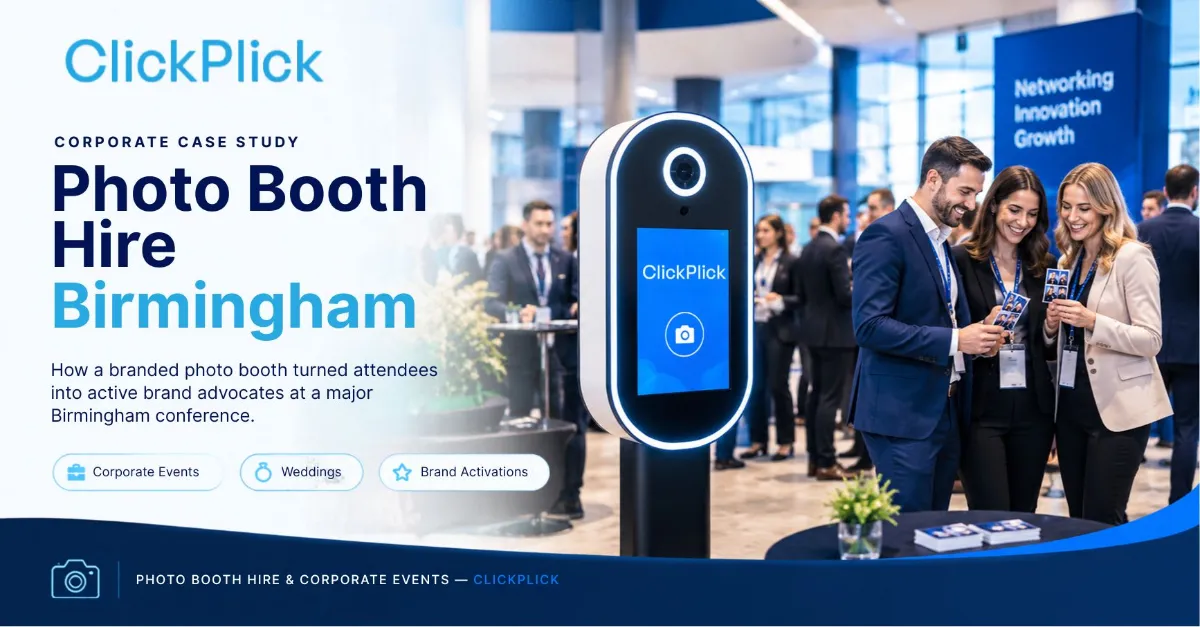
Corporate events. Branding is the main reason to hire. Logos, colours and hashtags can appear on prints, screens and digital galleries, and some booths can collect guest emails or survey answers. A fully branded corporate booth or an LCD pod with a custom screen works well for launches, conferences and awards nights.
Christmas and Halloween parties. Themed props, backdrops and print borders turn party photos into part of the fun, but dates fill early, so book ahead.
If you are not sure, share your venue, guest numbers and event type with the supplier. A good one will recommend an option rather than push the most expensive one.
Checking your venue before you book
Always speak to your venue before you commit. This is the step that most often prevents last-minute problems.
- Space: How much room is there, including space for guests to queue?
- Power: Where are the sockets, and are extension leads allowed?
- Access: What are the loading arrangements, and are there stairs, lifts or narrow doors? Some larger booths need step-free access.
- Timing: When can the supplier arrive and leave? Set-up commonly takes around an hour or more, and a supplier usually arrives well before your event starts.
- Insurance: Does the venue need proof of public liability insurance?
- Ceiling height and ventilation: Enclosed or inflatable booths need clear height and airflow.
- Indoor or outdoor: Most booths are designed for indoor or covered use on a flat, dry surface, so outdoor events need planning, such as a marquee or gazebo.
How far in advance should you book?
There is no single rule, but popular dates go quickly. For a wedding on a peak spring or summer Saturday, six to twelve months ahead is a sensible guide. Birthdays and private parties are often comfortable at two to four months ahead, and corporate events with custom branding usually need three to six months so artwork can be approved. For the Christmas party season, enquire as early as you can.
If your event is closer than that, do not assume it is too late. Ask for a quote anyway, because availability sometimes opens up, particularly on weekdays.
Making the booth part of your event
A few small decisions turn a booth from a nice extra into a highlight:
- Put it in the right place. Choose a spot with good lighting and enough room for a queue, but not so hidden that guests miss it. A standing banner helps people find it.
- Personalise the prints. Names, dates, colours and logos make the photos feel like part of your event.
- Pick props you will actually use. A tidy, themed selection beats a huge pile.
- Use a guest book. Guests stick in their photo and write a message, and you end up with something to keep.
- Get the first guests going. Ask a friend or the host to try it first. Once there is a queue, it tends to keep going.
- Share the photos. Digital sharing by AirDrop, email or a QR code means guests can post their pictures while the event is still happening.
Reading the booking terms
Get everything in writing, covering the date, venue, hire hours, booth type, itemised inclusions, total price, payment dates and cancellation terms. Check what the deposit is and when the balance is due. The Competition and Markets Authority's guide to cancelling goods or services explains that a charge is not fair simply because it appears in a contract, which is a useful point to remember when reading terms. This is general guidance rather than legal advice.
Frequently asked questions
How much does photo booth hire cost in the UK?
It depends on the booth, hire length, personalisation, extras and travel. ClickPlick lists its LCD Slimline Pod from £299 for three hours, and other booths are quoted to suit your event. Ask for a full, itemised total.
How long should I rent a photo booth for?
Most events work well with two to four hours. Weddings often run the booth during the evening reception, while longer parties may benefit from an extra hour.
Can a photo booth be used at an outdoor event?
Photo booths are designed for indoor or covered use on a flat, dry surface. For outdoor events, tell your supplier early so you can plan for a marquee or covered area.
Ready to rent a photobooth?
The right booth is the one that fits your room, looks after your guests and is clear about what you are paying for. Decide what you want the booth to do, check the venue, compare itemised quotes and book early for popular dates, and you will end up with an experience people remember fondly.
If you are ready to start, see how ClickPlick makes it easy to rent a photobooth for weddings, parties and corporate events. Tell us your date, venue and guest numbers, and we will help you choose the right booth. You can also get in touch to check availability.